

2025-2026 (Pilot)

West Africa and Sahel

Agence française de développement (AFD), Robert Bosch Foundation, International Development Research Centre (IDRC), African Center for Equitable Development (ACED)
Digital transformation is reshaping societies across West Africa and the Sahel, creating new opportunities while also changing social needs and policy challenges in governance, health, education, social cohesion, and peace. Yet these evolving needs remain poorly understood, leaving a gap between digital investments and the evidence needed to guide them.
GDN addresses this gap by supporting policy-oriented research agendas that bring together researchers, governments, digital ecosystem stakeholders, civil society, and development partners to identify shared evidence priorities and promote inclusive digital transformation.
Through multidisciplinary consortia, the pilot aims to:
Support participatory, collaborative, and locally led research approaches that foster innovation and informed public debate.
GDN partners with national, policy-oriented research centres to embed research innovation throughout the process—from defining questions to designing and testing methodologies. The project explores participatory and collaborative approaches to generate policy-relevant evidence and strengthen public debate.
The project:
Six multidisciplinary consortia are currently part of the initiative:
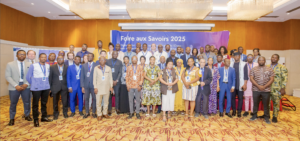
Held in Cotonou, Benin, from 7–9 July 2026, the inaugural Forum brought together researchers, think tanks, and research institutions to strengthen knowledge on digital transformation in West Africa. Six consortia presented research proposals on digital inclusion, inequality, context-sensitive indicators, and frameworks for the region’s digital agenda. Discussions emphasised moving beyond catching up with global digital innovation towards shaping the global agenda, with research that addresses current challenges and anticipates future ones.

The third Evidence Fair brought together around 20 think tanks from the Sahel and West Africa, alongside researchers, policymakers, civil society, and development partners, to explore how research can contribute credibly to public policy. Organised by GDN with support from the Agence Française de Développement, the Fair highlighted the importance of relationships, collaboration, and inclusive dialogue in strengthening research impact. These principles have also been central to developing the digitalisation and governance research agenda.

Held on 25 March 2026, the webinar brought together around 150 researchers, think tanks, and digital and development stakeholders to discuss research priorities for digital transformation in the region. The session shared progress on GDN’s regional research agenda on digital transformations and governance, launched in 2025 with ACED and supported by AFD, IDRC, and the Robert Bosch Foundation. Contributions from around 10 think tanks helped identify key knowledge gaps, followed by an open discussion on regional research priorities.
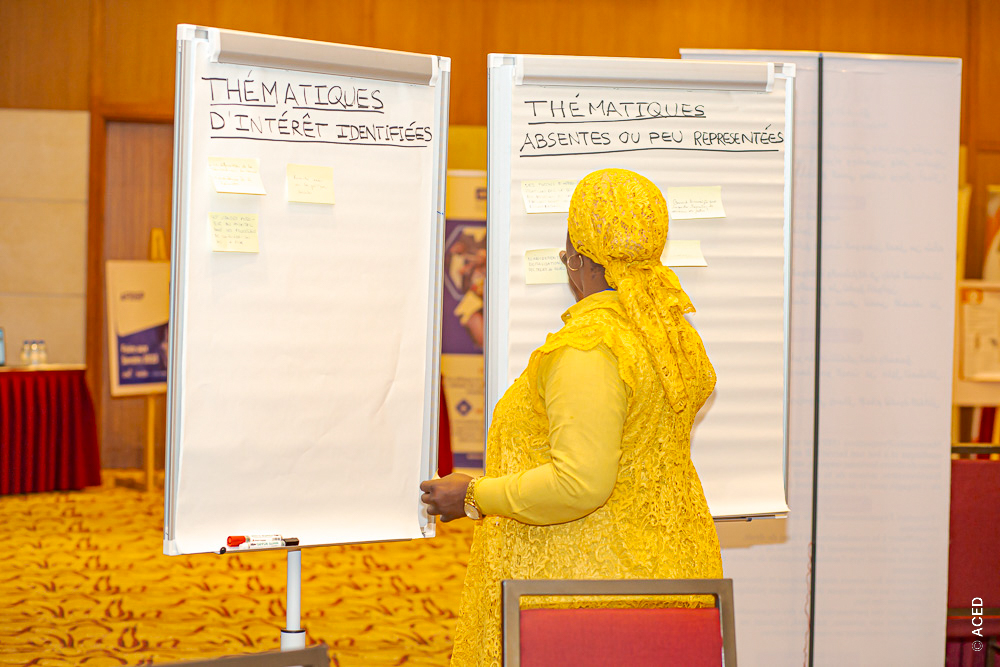
Held in Cotonou, Benin, on 21–22 May 2025, the second Evidence Fair brought together researchers, digital agencies, civil society, private sector, and development actors to identify research priorities for digital transformation and governance. Co-hosted by GDN and ACED with ASIN-Bénin, the event generated 35+ research questions on digital equity, inclusive governance, and regional integration, and launched a shared effort to develop a regional research agenda.
If you have questions, please contact aniang@gdn.int.
You can also subscribe to the GDN newsletter to receive the latest programme updates and announcements.