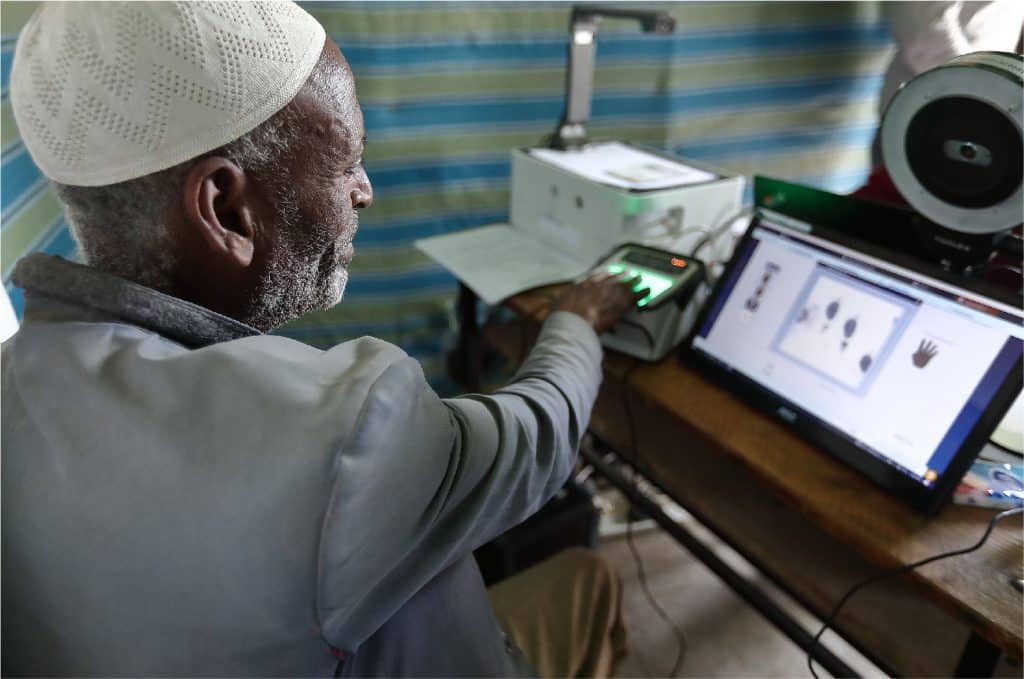
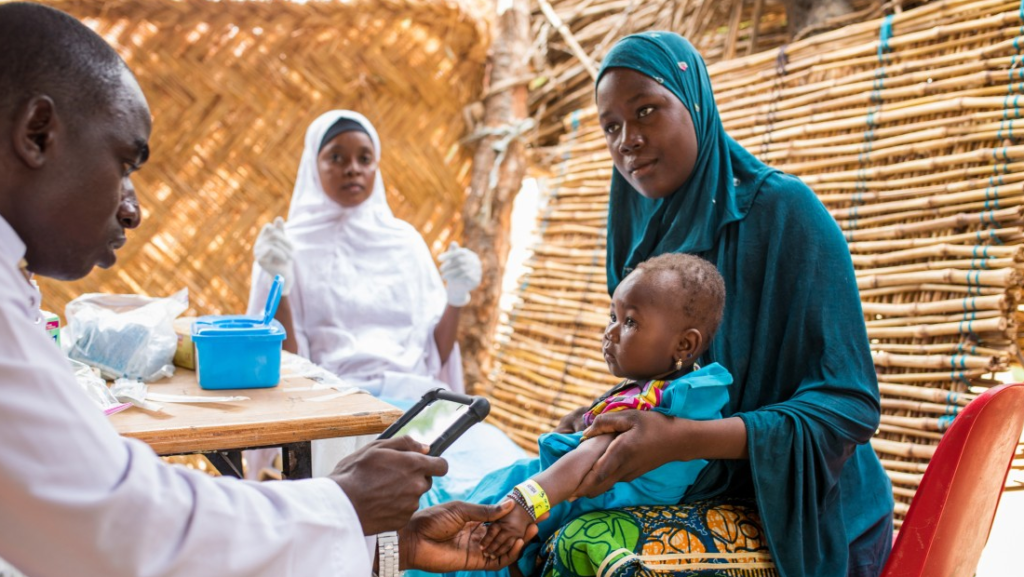

The future of development is being written in digital systems. Across the Global South, countries are rapidly deploying digital identity, digital payments, AI, and data platforms that increasingly determine access to services, markets, and opportunities. The Global South is not just adopting these technologies but shaping them. Yet research has struggled to keep pace, creating crucial challenges:

Countries are deploying digital systems faster than evidence can explain their effects.

Research is often not locally generated, making it hard to understand how digital systems work for real communities.

Without timely analysis, countries may lock in systems that are costly, ineffective, or inequitable.
Without evidence, these technologies risk reinforcing existing inequalities rather than reducing them.
To address these challenges, the Global Development Network (GDN) has launched a Global South-led hub centred on inclusive digital transformation, with local researchers across the Global South working under the scientific leadership of senior social scientists to generate rigorous evidence that informs how digital systems are designed, scaled, and adapted for inclusion and equity.
The hub revolves around a research unit associating senior social scientists that conceptualises theoretical foundations, research instruments, and methodologies under the leadership of senior researchers. These instruments are adapted, deployed and systematised by local research institutions to inform policy makers at country-level. As part of GDN’s programmes, local researchers involve policy actors and civil society from the start, making sure that an appetite for feeding research findings into policy making exists from the outset of the research project.
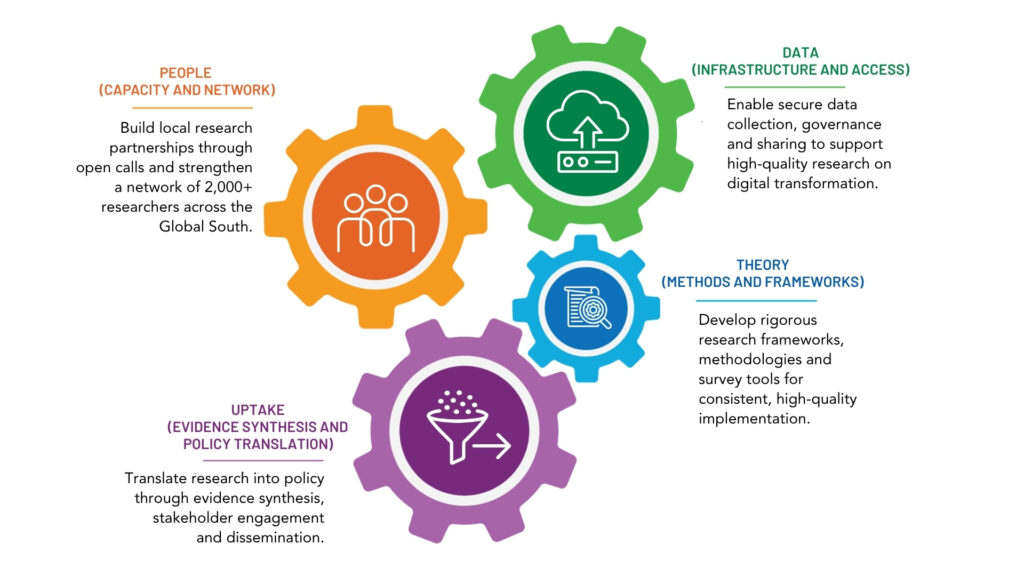
The Hub’s organising model operates on a four-geared approach, where programme activities align for each targeted gear to work in sync to achieve programme outcomes. These gears are People, Theory, Data, and Uptake.
All programmes are advised by a senior scientific committee of social scientists, practitioners, and advisors for research activities of the internal research unit and local research partners.

Through its regranting model, the Hub funds local research institutions, combining financial support with mentoring, methodological guidance, and international collaboration to strengthen research capacity.

The Hub pilots new theories, methodologies, and policy approaches across countries, generating evidence on what works and under which conditions.

The Hub works with governments and international partners to ensure research informs digital policy and governance at national, regional, and global levels.

Through training, peer learning, and collaboration, the Hub supports the next generation of researchers and builds a global community of practice.
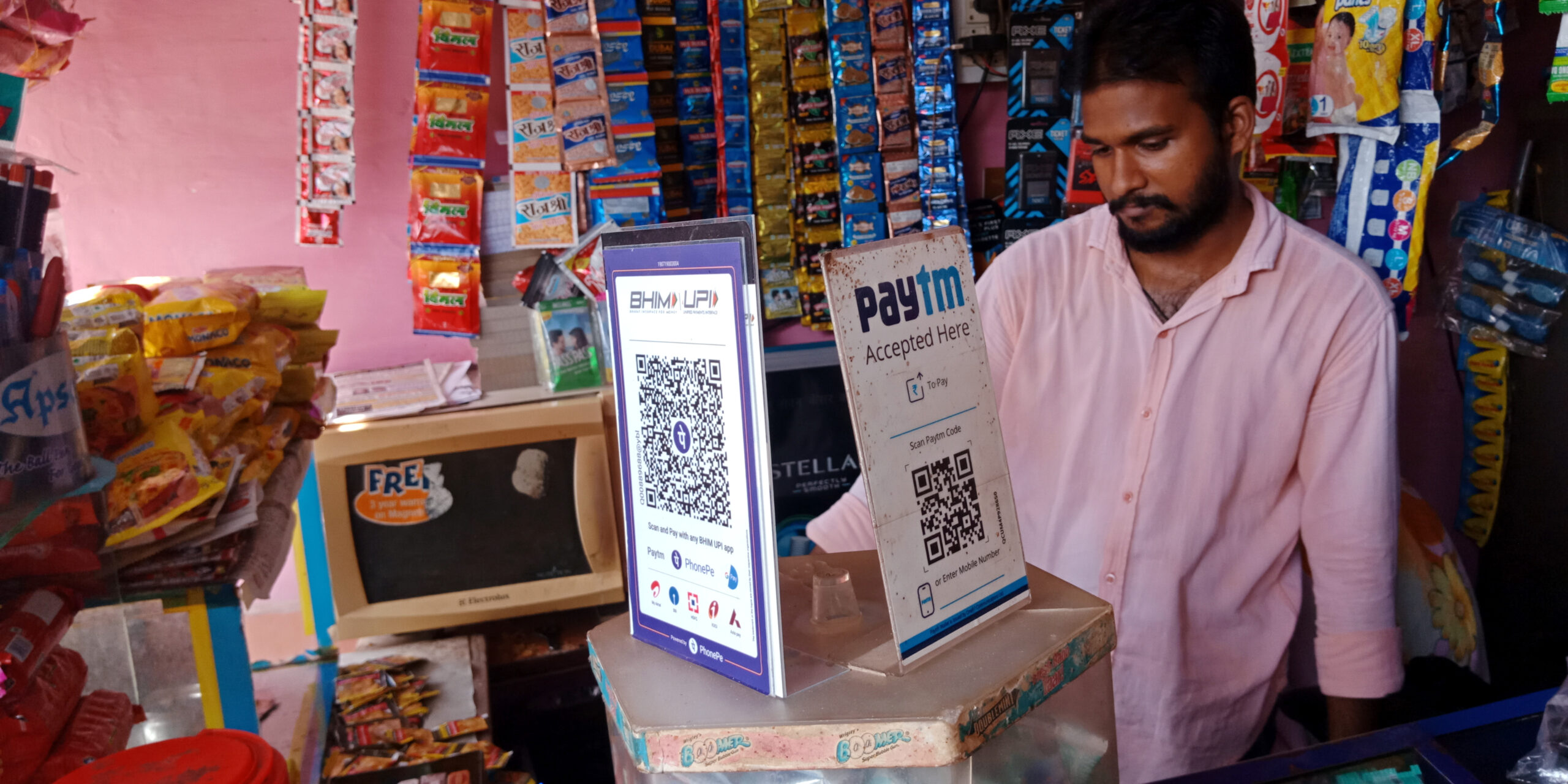
Through theoretical and empirical research, GDN is building the economic evidence base for OTNs, a new form of digital market infrastructure, across sectors including agriculture, mobility, commerce, and energy. The programme examines how OTNs perform under different design choices, generating evidence on what works, for whom, and at what cost.

GDN is building the first cross-country framework to measure the inclusivity of digital ID and digital payment systems across the Global South. Through partnerships with national research institutions and governments, the programme translates robust evidence into concrete improvements in digital inclusion.
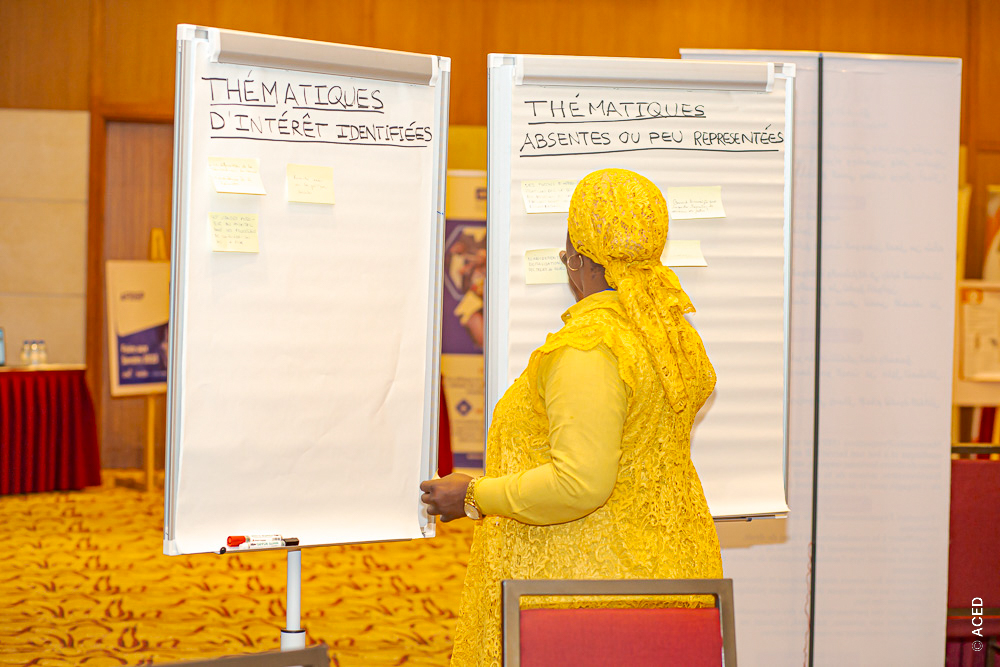
GDN evaluates how investments in digital public infrastructure shape livelihoods, productivity, financial inclusion, and access to public services across the Global South. By combining rigorous impact evaluation with cross-country comparative research, the programme generates evidence on DPI's development outcomes and the conditions under which it delivers the greatest benefits.
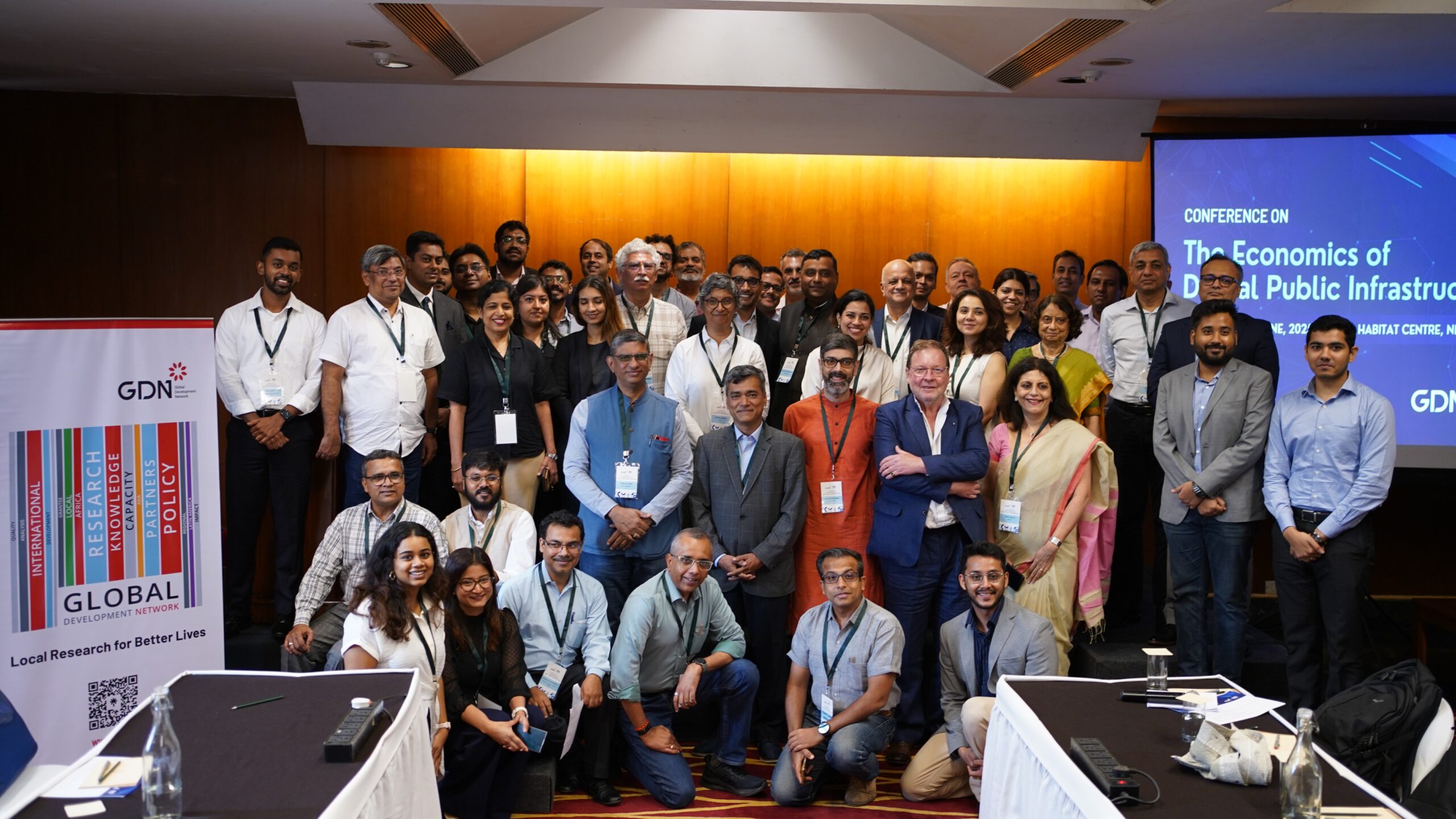
GDN examines the economic foundations of digital public infrastructure, including investment models, governance arrangements, incentives, and market dynamics. Through applied research and policy analysis, the programme identifies how countries can finance, sustain, and scale DPI while maximising public value and fostering innovation.

As Senior Economist and President of GDN, Jean-Louis provides scientific leadership across all research programmes.

Apolline leads the Hub and, as Senior Programme Manager, oversees the DPI Inclusivity Measurement Programme.

As Senior Programme Manager, Aryamala oversees the implementation of the OTN programme.

As Economist, Balu leads the research component of the DPI Inclusivity Measurement Programme, designing research tools and coordinating field implementation.

As Economist, Kishen leads the research component of the OTN Programme by developing its theoretical framework and providing methodological guidance to local research teams.

As Junior Economist, Sabhya contributes to the theoretical and empirical research conducted under the OTN Programme.

As Fellow on Inclusive Digital Transformations, Saurabh ensures coherence and synergy across all digital programmes.

As Communications Manager, Sambhavi drives the visibility of the Hub's programmes.
Held in New Delhi in June 2026, the workshop featured a presentation by GDN President Jean-Louis Arcand titled "AI, Inequality and Development: Rethinking Inclusion in the Digital Age."
GDN participated in the WSIS Forum 2026 in Geneva, where Balu spoke on a panel hosted by Co-Develop alongside GIZ, ITU and GSMA. Drawing on GDN's DPI Inclusivity Measurement Programme, he highlighted the need for gender-disaggregated data to identify who is being left behind and called for inclusion measurement to become a core investment.
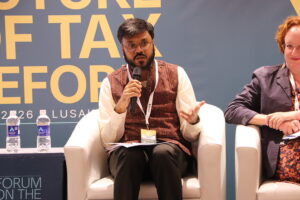
GDN participated in the Forum for Tax Reform in July 2026, organised by ICTD and the Zambia Revenue Authority, where Saurabh joined the Systems working group on DPI, AI and taxation. He highlighted the importance of locally led, inclusion-focused research that engages policymakers from the outset. The group also concluded that successful AI deployment depends on clearly defined policy objectives to ensure effective implementation, appropriate safeguards and meaningful impact assessment.

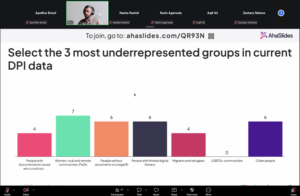
GDN co-hosted a Community of Practice with the DPI Map community at the UCL Institute for Innovation and Public Purpose, bringing together policymakers, researchers and practitioners to discuss how to measure inclusion in digital public infrastructure (DPI). Participants agreed that registration alone does not guarantee inclusion and highlighted the need for standardised methodologies, better data and stronger political commitment. The discussion also informed GDN's DPI Inclusivity Measurement Programme, which is developing practical tools to help countries measure and improve DPI inclusion.
Uganda’s maiden Baseline Education Census maps more than 100,000 schools and institutions, recording ownership structures, teacher payrolls, and GPS coordinates for every registered school in the country. Connecting this data to Uganda’s tax system could substantially broaden the revenue base, with the numbers to make that case now traceable and defensible for the first time.
GlobalDev, together with the Social Innovation Hub for Health in LAC (SIHILAC) and the Health AI for All Network (HAINet), invites researchers to submit 800-word blog posts on public health innovations that strengthen health systems and improve access to care in resource-limited settings. Suggested topics include AI for health, digital health systems, governance and standards, financing, local capacity, and evidence-based policy recommendations. All submissions should draw on existing research and align with GlobalDev's evidence-based editorial approach.
If you have questions, please write to DPI@gdn.int.
You can also subscribe to the GDN newsletter to receive the latest programme updates and announcements.